
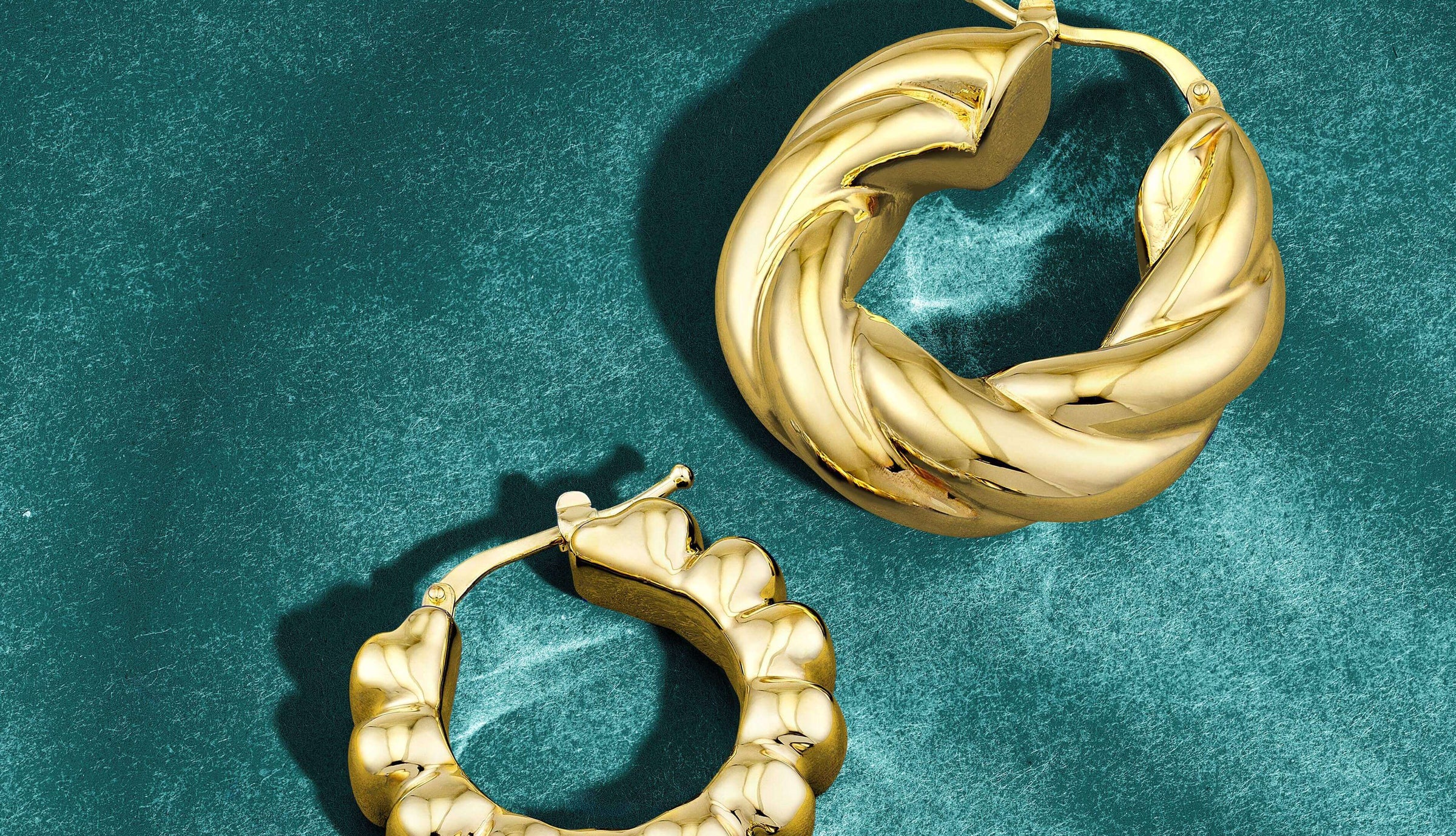
I ruined my first pair of chunky gold earrings within six months. They tarnished, the posts bent, and one backing disappeared into the bathroom sink drain. Fifty dollars wasted because I treated them like they were indestructible.
Turns out, chunky gold earrings require actual care to stay looking new. The materials, construction, and finishes all need specific maintenance. What works for solid gold doesn’t work for vermeil or plated pieces.
Learning to properly care for my jewelry extended the life of every pair I own. My current favorites look nearly identical to the day I bought them three years ago. Here’s what actually works for keeping chunky gold earrings beautiful.
Storage That Prevents Damage
Tossing earrings in a jewelry box seems harmless until they tangle, scratch each other, or lose backings. Proper storage prevents most damage before it happens.
Individual compartments keep earrings separated and protected. Small divided boxes or organizers with slots prevent pieces from touching and scratching each other’s finish.
Anti-tarnish strips or cloths slow oxidation significantly. These specially treated materials absorb moisture and chemicals that cause tarnishing. Replace them every few months for continued protection.
Avoid storing earrings in bathrooms if possible. Humidity from showers accelerates tarnishing and can degrade certain materials. Bedrooms or closets with stable temperatures work better.
Keep backings attached to posts when storing. I lost countless backings before starting this habit. Secure them on the posts and you’ll always have matching pairs ready to wear.
Velvet or felt-lined storage protects finishes from scratches. Hard plastic or wood containers without lining allow earrings to rattle around and damage each other.
Travel cases need extra padding and secure closures. I’ve opened suitcases to find earrings scattered everywhere and completely tangled. Dedicated travel organizers with individual slots prevent this chaos.
Cleaning Without Damaging Finishes
Different gold finishes require different cleaning approaches. What works for solid gold can strip plating or damage vermeil pieces.
Solid gold tolerates aggressive cleaning, but chunky earrings often aren’t solid gold. Most affordable pieces use plating or gold-fill over base metals. Treat them gently.
Warm water and mild dish soap clean most gold earrings safely. Mix a few drops of soap in warm water, soak earrings briefly, and gently scrub with a soft toothbrush. Rinse thoroughly and dry completely.
Avoid harsh chemicals, including jewelry cleaners unless they’re specifically formulated for your metal type. Ammonia-based cleaners can damage certain finishes and loosen stones or decorative elements.
Ultrasonic cleaners work wonderfully for solid gold but can destroy plated or hollow pieces. The vibrations can crack solder joints, loosen settings, or separate layered materials.
Polishing cloths restore shine without chemicals. Gentle buffing removes light tarnish and fingerprints. Don’t scrub aggressively – you’ll wear through plating on vermeil or gold-filled pieces.
For gold earrings with gemstones or pearls, research those materials separately. Some stones tolerate water, others don’t. Pearls require completely different care than gold.
Preventing Tarnish And Discoloration
Tarnish happens when metals react with air, moisture, and chemicals. Prevention is easier than removal.
Remove earrings before swimming, showering, or exercising. Chlorine, salt water, and sweat accelerate tarnishing and can permanently damage certain finishes.
Apply perfume, hairspray, and lotions before putting on earrings. These products contain chemicals that react with metal and cause discoloration or dull finishes.
Clean earrings after wearing them. Body oils, makeup, and environmental pollutants accumulate on jewelry. Quick wipe with a soft cloth after each wear prevents buildup.
Store earrings in low-humidity environments. Moisture drives oxidation reactions that create tarnish. Silica gel packets in your jewelry storage absorb excess moisture.
Certain skin chemistries accelerate tarnishing. Some people’s body chemistry reacts more aggressively with certain metals. If your jewelry tarnishes quickly, you might need higher-karat gold or different alloys.
Protecting Posts And Backings
Earring posts bend surprisingly easily, especially on chunky earrings where the weight creates leverage. Bent posts won’t go through piercings and can damage earlobes.
Never force posts through piercings. If they won’t go in smoothly, the post might be bent or your piercing could be irritated. Forcing it causes injury and damages the earring.
Butterfly backings loosen over time. Replace them periodically to prevent losing earrings. You can buy replacement backings cheaply – way cheaper than replacing entire earrings.
Screw backs provide more security for expensive or heavy earrings. They’re less likely to fall off accidentally and distribute weight better across the earlobe.
Check posts regularly for damage. Bent posts can be carefully straightened with needle-nose pliers if you’re gentle. Severe bends often mean replacement is safer.
Dealing With Sensitive Ears
Hypoallergenic doesn’t guarantee you won’t react. Some people are allergic to specific metals even in supposedly safe jewelry.
Nickel causes most metal allergies. Avoid jewelry containing nickel or use posts coated with clear nail polish to create a barrier between metal and skin.
Sterling silver posts generally work well for sensitive ears. Look for earrings with sterling posts even if the decorative portion is gold-plated.
Titanium and surgical steel posts offer maximum hypoallergenic protection. Some chunky gold earrings use these materials for posts while keeping gold for visible portions.
Clean posts thoroughly before wearing. Bacteria and debris on posts can cause infections or irritation unrelated to metal allergies.
Rotate earrings to prevent irritation from constant pressure in the same spot. Even hypoallergenic materials can irritate if worn constantly without breaks.
When To Seek Professional Help
Jewelers offer professional cleaning and repair services for pieces you can’t fix yourself. Know when DIY maintenance ends and professional help begins.
Bent posts that won’t straighten or broken clasps require jeweler repairs. Attempting complex repairs yourself often makes damage worse.
Re-plating services restore worn gold-plated or vermeil earrings. Once the gold layer wears through to base metal, only professional re-plating fixes it.
Professional ultrasonic cleaning works for appropriate pieces. Jewelers know which earrings can handle this treatment and which will be damaged by it.
Lost stones or damaged settings need professional repair. Trying to glue stones back in yourself usually fails and damages the earring permanently.
Wrapping This Up
Proper care extends the life of chunky gold earrings from months to years. Storage, cleaning, and handling habits prevent most damage before it happens.
Invest in quality storage solutions proportional to your jewelry’s value. A $10 organizer protects hundreds of dollars worth of earrings.
Develop a routine – clean earrings after wearing, store them properly, and inspect them regularly for damage. These habits become automatic and require minimal time.
Know your jewelry’s materials and care for them appropriately. Solid gold tolerates different treatment than plated pieces. When in doubt, use gentle methods that work for everything.

Previous Article
Modern Fashion Guide To Chunky Gold EarringsNext Article
Statement Looks Made With Chunky Gold Earrings