
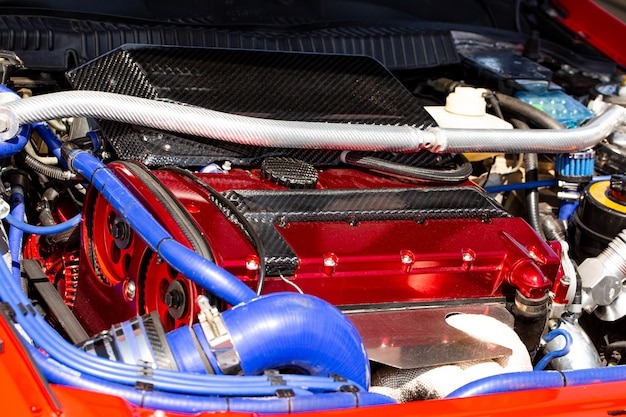
A turbocharger lets a diesel engine produce more power and better fuel efficiency from the same displacement. It also spins at extremely high speeds and works in intense heat, so it needs regular care to last. A well-maintained diesel turbocharger can run for hundreds of thousands of miles, while a neglected one can fail early and lead to costly repairs. Here are the key maintenance tips every owner should know.
1. Use High-Quality Oil and Change It on Schedule
Oil is the lifeblood of a diesel turbocharger. It lubricates the shaft bearings and carries away heat, so dirty or low-grade oil quickly causes wear.
Always use the oil grade recommended by the manufacturer, and follow the service interval, or shorten it if you tow heavy loads, idle often, or drive in dusty conditions. Replace the oil filter every time, since a clogged filter can starve the bearings of lubrication.
2. Keep the Air Intake Clean
Dirt is one of the biggest enemies of any diesel turbocharger. Even tiny particles can damage the compressor wheel, which spins at tens of thousands of revolutions per minute.
Inspect the air filter regularly and replace it when it is dirty or at the recommended interval. Check intake hoses and clamps for cracks or loose fittings, because leaks allow unfiltered air to enter the system and reduce boost pressure.
3. Allow Proper Warm-Up and Cool-Down
How you start and stop the engine affects the lifespan of your diesel turbocharger. After a cold start, let the engine idle briefly so oil can circulate before you apply heavy throttle.
After hard driving or towing, let the engine idle for a minute or two before shutting it off, since this allows the turbo to cool and prevents oil from burning inside the housing. Avoid revving the engine just before shutdown.
4. Watch for Early Warning Signs
Catching problems early can save you from major repairs. A failing diesel turbocharger may show symptoms such as a loss of power, excessive smoke, high oil consumption, or a whining or siren-like noise.
Slow acceleration, check engine lights, and rising exhaust temperatures can also point to trouble. If you notice any of these signs, have the system inspected promptly instead of waiting for it to get worse.
5. Maintain the Fuel and Exhaust Systems
The turbo relies on healthy supporting systems. Clean fuel injectors, a good fuel filter, and a properly working exhaust system help the engine burn efficiently and reduce soot buildup.
A restricted exhaust, a clogged particulate filter, or leaking manifold gaskets can raise backpressure and stress the diesel turbocharger. Use quality fuel, and follow service schedules for the filters and emission components.
Final Thoughts
Consistent care keeps your engine strong and your wallet healthy. Use clean oil, protect the intake, allow proper cool-down, and respond quickly to warning signs. With simple habits and regular inspections, your turbo can deliver reliable power for many years and miles. When in doubt, consult a qualified diesel mechanic who can inspect the system and recommend the right fix.