
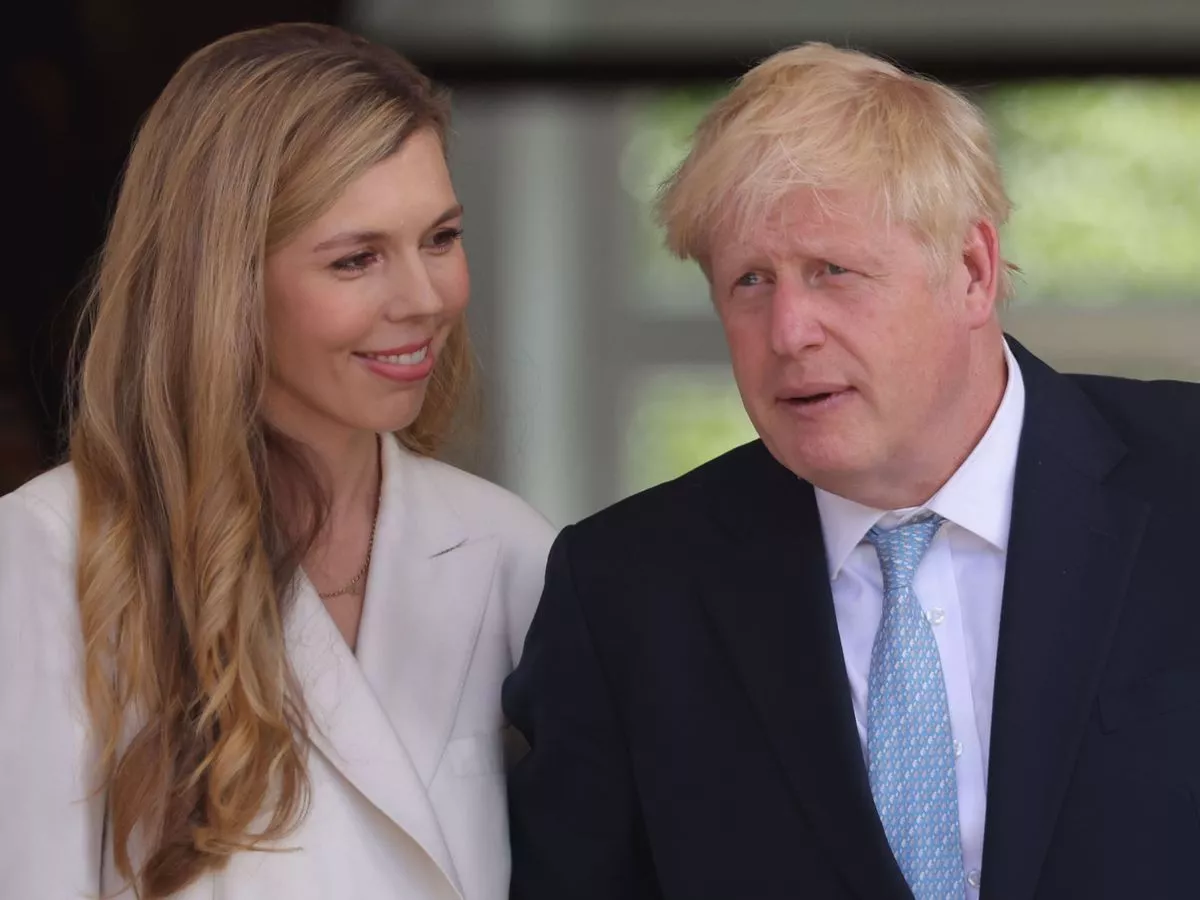
The fascination with political figures’ personal lives creates persistent information markets that reveal as much about audience psychology as about the subjects themselves. When Boris Johnson wife Age news surfaces in search patterns, it signals complex dynamics around public narrative construction, generational assumptions, and the economics of political celebrity.
Carrie Johnson navigates public attention through frameworks that blend traditional political spouse roles with modern influencer dynamics. The questions around her age reflect broader cultural tensions about power, relationships, and visibility choices that extend far beyond any individual case.
Age Narratives and the Hidden Economics of Public Perception
Here’s what actually drives these search patterns: age gaps in high-profile relationships trigger embedded cultural scripts about power dynamics, motivations, and authenticity. The curiosity isn’t neutral—it’s loaded with assumptions that shape how audiences process relationship legitimacy and political credibility.
The mechanics reveal interesting patterns. Search interest around Boris Johnson wife Age news spikes during specific moments: new policy announcements she influences, lifestyle coverage, or political controversies where her role becomes relevant. The age question serves as proxy for deeper inquiries about influence, access, and decision-making proximity.
From a practical standpoint, Carrie Johnson’s approach to visibility differs markedly from previous political spouses in her position. Her environmental advocacy work, social media presence, and public engagement create higher profile than traditional models while maintaining strategic boundaries around specific personal details.
The Attention Economy and Strategic Information Management
Look, the bottom line is this: in modern media environments, what you don’t disclose often generates more sustained interest than what you reveal. The selective transparency around personal details creates ongoing curiosity that maintains engagement without requiring constant content production.
What I’ve learned from observing these patterns: age questions about political spouses almost never exist in isolation. They’re bundled with broader narratives about relationship dynamics, family planning timelines, career trajectory assumptions, and generational worldview differences that audiences project onto public figures.
The economic reality is that curiosity translates to traffic, engagement, and platform value. Media outlets optimize coverage to capture search volume around high-interest queries, even when factual information is readily available elsewhere. The search behavior itself becomes content opportunity rather than information gap requiring resolution.
Media Cycles and the Reality Behind Repetitive Coverage
The reality is that certain biographical details about public figures get recycled through news cycles repeatedly, not because information changed but because audience composition refreshes. New attention cohorts discover existing information as if novel, creating perpetual demand for baseline coverage.
From a timing perspective, Boris Johnson wife Age news correlates with broader relationship milestones—children’s births, property transactions, lifestyle features, or political controversies where family context provides narrative framing. Each cycle reintroduces demographic details to audiences who may not have encountered previous coverage.
What the data tells us: political families that maintain active public profiles through social media, advocacy work, or visible presence at official functions generate sustained coverage that periodically revisits biographical fundamentals. This creates layered information architecture where basic facts resurface constantly amid new developments.
Influence Mapping and the Pressure of Proximity Politics
I’ve seen this dynamic repeatedly: spouses of prominent political figures face scrutiny not just about their backgrounds but about their proximity to power and potential influence on decision-making. Age becomes shorthand for these deeper concerns about governance, accountability, and democratic legitimacy.
Carrie Johnson’s environmental advocacy creates specific pressure points. Her public campaigns on conservation, animal welfare, and sustainability intersect with policy domains where her husband’s government exercises authority. Age questions often mask underlying curiosity about influence mechanisms and decision-making access.
The challenge comes in distinguishing between legitimate public interest in potential conflicts of interest versus intrusive speculation about personal relationship dynamics. Democratic governance requires transparency about influence and access, but families still merit privacy protection around matters that don’t affect policy outcomes.
Generational Dynamics and the Context Problem in Political Analysis
What matters from strategic communications perspective: how public figures frame their relationships either validates or challenges audience assumptions embedded in age-focused curiosity. The Johnson approach emphasizes partnership, shared values, and complementary advocacy work rather than engaging directly with demographic speculation.
From observing these patterns across multiple contexts, successful navigation requires confidence in relationship legitimacy coupled with strategic boundaries about what gets publicly discussed. Attempts to address every curiosity or speculation only amplify attention to matters that hold little substantive significance for governance quality.
The measured approach recognizes that public interest in personal details doesn’t automatically create obligation to satisfy that interest. Political families can maintain effective communication strategies while declining to treat every biographical detail as public information requiring constant reconfirmation or explanation.
The broader lesson: age questions about political spouses reflect societal anxieties about power, influence, and traditional relationship models more than they reveal anything significant about governance capacity or policy outcomes. Understanding this distinction helps both subjects and analysts maintain appropriate perspective on what actually matters for democratic accountability versus what simply feeds curiosity-driven media cycles.

Previous Article
Sadiq Khan wife newsNext Article
Rishi Sunak wife Age news