
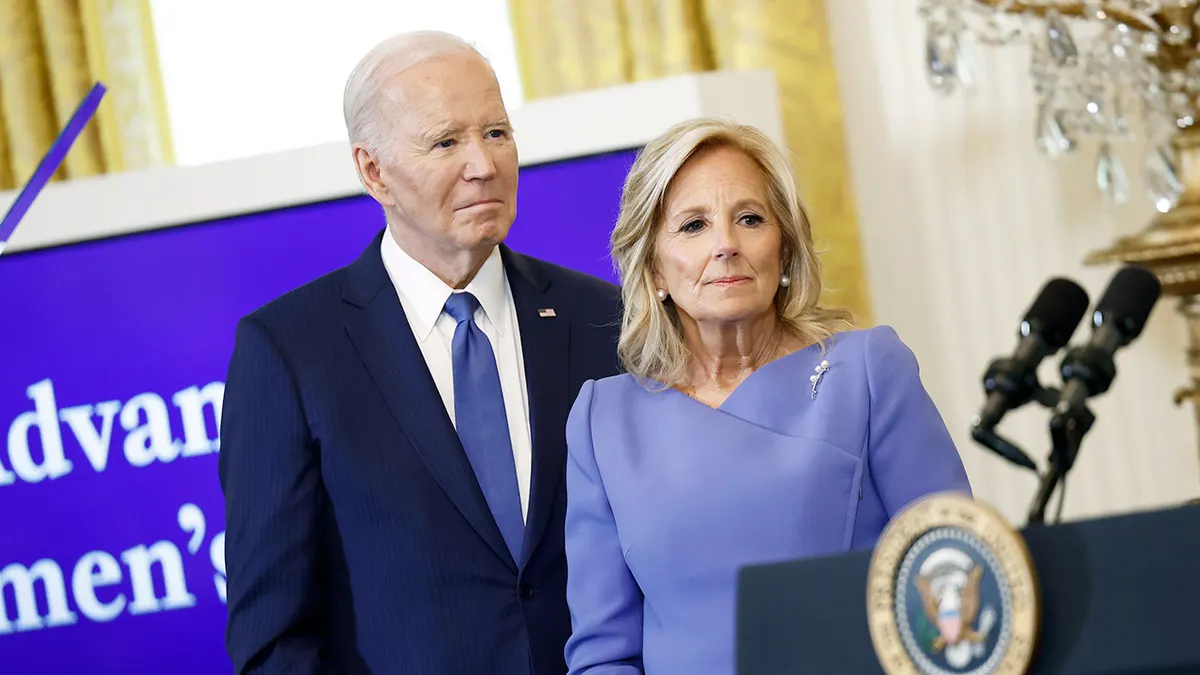
As political cycles accelerate and leadership transitions become moments of intense scrutiny, the role of political spouses in reputation management and legacy preservation has grown increasingly complex. Joe Biden wife Jill Biden news centers on a critical inflection point where personal advocacy, party positioning, and historical record intersect in ways that reveal the mechanics of post-presidency narrative construction.
The instructive element here is not the personality but the strategic challenge: how does a political spouse help rebuild credibility while navigating intra-party tension and defending a contested legacy? The answer involves calculated media engagement, institutional affiliation, and careful positioning for future influence cycles.
Post-Presidency Media Strategy And The Rehabilitation Narrative Arc
The Bidens have reentered public discourse through carefully selected media appearances, including high-profile interviews that directly address criticisms and legacy concerns. This represents a classic reputation rehabilitation framework: control the venue, address controversies proactively, and reframe the narrative before others define it permanently.
Jill Biden’s appearance alongside the former president on platforms like The View signals coordinated messaging aimed at party loyalists rather than general audiences. The goal is not broad persuasion but maintaining relevance within Democratic leadership circles during a period of strategic recalibration.
Here’s what actually works: targeted appearances that speak to specific stakeholder groups rather than attempting mass appeal. The data tells us that post-presidency influence depends on maintaining network connections, not winning new converts.
Cognitive Decline Allegations And The Defensive Positioning Problem
Both Bidens have explicitly rejected claims of cognitive decline, dismissing reports from various publications and upcoming books. This creates a difficult positioning challenge: ignoring allegations allows them to proliferate, but addressing them keeps the controversy alive.
From a practical standpoint, the defensive posture reveals vulnerability. When you’re explaining, you’re losing—particularly when the explanation contradicts widespread perception formed during high-visibility campaign moments.
The reality is that perception often outweighs evidence in reputational contexts. Whether the allegations have merit matters less than whether key stakeholders believe them, and defensive messaging rarely shifts entrenched beliefs.
Intra-Party Tension And The Leadership Succession Narrative Pressure
The Bidens have expressed strong disapproval of Democratic leaders who they believe prematurely pushed for withdrawal from the presidential race. This public criticism reveals ongoing tension within party structures about responsibility for electoral outcomes.
Look, the bottom line is that blame distribution after political defeats determines who retains influence and who gets sidelined. By pushing back against the narrative that staying in the race too long damaged party prospects, the Bidens are fighting for historical positioning.
What I’ve learned is that intra-party fights about “what went wrong” are actually fights about who controls future strategy. The willingness to publicly criticize party figures signals that maintaining a voice in Democratic direction matters more than party unity optics.
Women’s Health Advocacy And Post-Political Career Positioning
Jill Biden has taken on a leadership role in a women’s health initiative at the Milken Institute, creating institutional affiliation outside direct political structures. This represents smart positioning: maintaining relevance through substantive work rather than purely political commentary.
The pattern here is familiar—political spouses leveraging visibility for advocacy roles that create independent identity beyond the political partnership. It’s brand diversification that creates career optionality and maintains public platform access.
From a business perspective, institutional partnerships provide legitimacy and resources that individual advocacy cannot match. The Milken affiliation offers credibility, funding infrastructure, and network access that sustain influence beyond political tenure.
Harris Future And The Stakeholder Relationship Management Approach
Biden has confirmed frequent communication with Vice President Harris and expressed hope she remains actively involved in political life. This careful positioning acknowledges her agency while maintaining advisory influence, a delicate balance that preserves relationships without appearing controlling.
The reality is that Biden’s legacy is partially tied to Harris’s political future. Her success or failure reflects on the decision to select her as running mate and the effectiveness of the administration they shared.
I’ve seen this dynamic repeatedly: former leaders benefit when their chosen successors thrive, creating a shared legacy narrative. Conversely, successor struggles invite retrospective criticism of the original leadership’s judgment and strategic vision.

Previous Article
Donald Trump wife Melania Trump newsNext Article
Barack Obama wife Michelle Obama news