
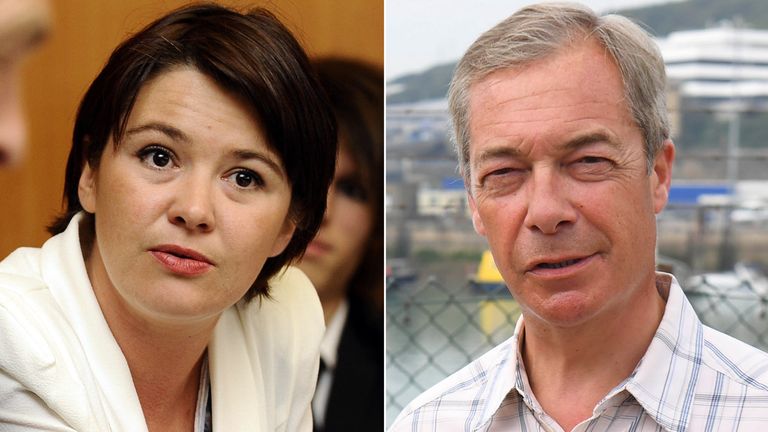
The information consumption patterns around political outsider figures reveal distinct dynamics from traditional party politicians. When Nigel Farage wife Age news appears in search trends, it reflects audience attempts to reconcile public persona with private life details that remain deliberately obscured through decades of political activity.
Kirsten Farage maintains perhaps the lowest profile of any spouse connected to major British political figures, creating information vacuum that generates sustained curiosity. The questions about her age represent broader audience confusion about relationship status, family structure, and personal life details that Farage has successfully compartmentalized away from his public brand.
Privacy Architecture and the Strategic Value of Information Scarcity
Here’s what’s actually working: Nigel Farage has built entire political brand on media visibility and combative public persona while keeping family details almost completely separated from that image. This isn’t accident—it’s sophisticated brand management that protects family privacy while maintaining political profile that demands constant public attention.
The mechanics reveal interesting patterns. Unlike traditional politicians whose families often appear at campaign events and provide humanizing content, Farage operates through framework that treats political work as completely separate from domestic life. This challenges conventional wisdom about family visibility as political asset.
From a practical standpoint, the strategy works precisely because it contradicts expectations. Audiences accustomed to seeing political families deployed as campaign tools become curious about deliberate absence. This generates sustained interest without requiring any actual family participation or exposure to scrutiny that typically accompanies political spouse visibility.
Media Relationships and the Reality Behind Limited Family Coverage
Look, the bottom line is this: Farage’s relationship with media outlets operates on terms he largely controls through decades of experience navigating coverage cycles. The limited information about Kirsten Farage reflects both her preference for privacy and his strategic decision to maintain that boundary despite media curiosity.
What I’ve learned from observing these patterns: political figures who establish clear boundaries early in their careers and maintain them consistently face less ongoing pressure than those who shift strategies mid-trajectory. Farage set privacy expectations around family matters from the beginning, creating framework that media largely respects.
The economic reality is that outlets cover what generates engagement. Farage provides constant content through his political positions, media appearances, and controversial statements. This satisfies audience demand for coverage without requiring family participation. The curiosity about Kirsten Farage persists but doesn’t drive coverage strategy because other content performs better.
Divorce Dynamics and the Context Problem in Public Speculation
The reality is that relationship status questions around Nigel Farage complicate simple narratives about political family structures. Reports of separation have surfaced periodically, creating uncertainty about current marital status that feeds speculation cycles around family details including age information.
From timing perspective, the limited confirmed information about family status allows speculation to fill gaps. Unlike politicians whose personal lives play out publicly through official statements and managed media coverage, Farage’s approach means transitions happen without public confirmation or explanation. This creates ongoing uncertainty that resurfaces whenever broader profile coverage occurs.
What the data tells us: audiences struggle with incomplete information about public figures they feel entitled to understand comprehensively. The Farage family privacy creates persistent curiosity precisely because it resists complete public transparency. Age questions represent attempt to establish basic biographical framework when larger relationship context remains unclear.
Anti-Establishment Branding and the Pressure of Authenticity Claims
I’ve seen this dynamic repeatedly: political figures who build brands on authenticity and anti-establishment credibility face particular scrutiny around perceived inconsistencies between public messaging and private behavior. Farage’s family privacy doesn’t obviously contradict his political positions, but it creates curiosity gap audiences attempt to fill through speculation.
The challenge comes in distinguishing between legitimate public interest in potential hypocrisy versus intrusive curiosity about personal matters that don’t affect political credibility. Farage’s political messaging centers on British identity, immigration policy, and EU skepticism—none of which directly implicate family structure or spouse demographic details.
From communications perspective, the Farage approach demonstrates that comprehensive family privacy remains achievable even for highly visible political figures if maintained consistently and backed by willingness to absorb criticism about transparency. The age questions persist but don’t meaningfully impact political effectiveness or supporter loyalty.
Long-term Strategy and the Measurement Problem in Privacy Success
What matters from strategic analysis perspective: evaluating whether family privacy strategy succeeds requires defining success metrics. If the goal is eliminating public curiosity, the Farage approach fails—questions persist. If the goal is protecting family from scrutiny while maintaining political viability, it succeeds substantially.
From observing these patterns across contexts, families that prioritize privacy over political utility achieve better personal wellbeing outcomes but may sacrifice some political advantage. Traditional campaign strategy treats families as humanizing assets that soften political messaging and broaden appeal through relatable domestic imagery.
The Farage model challenges this assumption by demonstrating sustained political impact without family participation in public brand-building. His effectiveness relies on different assets—media skills, rhetorical positioning, and movement-building capacity that don’t require domestic life visibility. The curiosity about Kirsten Farage’s age and relationship status persists as unresolved narrative thread but doesn’t prevent political success within his chosen lanes.
The broader lesson: political families can opt out of visibility expectations if willing to accept ongoing curiosity and speculation as tradeoff for genuine privacy protection. Success depends on maintaining boundaries consistently rather than attempting impossible balance between selective transparency and comprehensive privacy maintenance.

Previous Article
Rishi Sunak wife Age newsNext Article
Donald Trump wife Melania Trump news